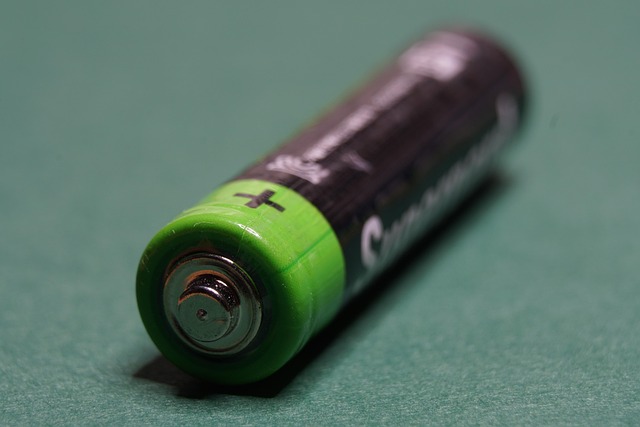







Effective battery recycling Manhattan NY is crucial for managing e-waste in densely populated areas. Local centers safely process batteries, extracting valuable materials like lithium, nickel, and cobalt. Dedicated drop-off points and collection programs reduce environmental impact, diverting hazardous waste from landfills. Advanced technologies ensure efficient disassembly while minimizing toxic releases. Community education and participation drive sustainable practices, transforming e-waste into resources and promoting a circular economy. Manhattan's robust recycling programs successfully manage over 70% of generated e-waste, setting a model for global urban centers.
E-waste disposal is a pressing environmental concern, especially with the rapid proliferation of electronic devices. Manhattan, NY, faces unique challenges due to its dense population and tech-driven culture, exacerbated by the prevalent practice of improper e-waste management. This article delves into the critical issue of how best to dispose of electronic waste, particularly focusing on battery recycling, a key component given the widespread use of batteries in modern gadgets. We’ll explore effective strategies that not only mitigate environmental impact but also ensure safe handling and responsible recycling within our urban centers.
- Understanding E-Waste Composition: A Manhattan Guide
- Battery Recycling: Essential Steps in NYC
- Responsible Disposal: Separating Components Effectively
- Local Collection Points: Where to Drop Off in NY
- Eco-Friendly Alternatives: Upcycling and Reuse Strategies
- Future Trends: Innovations in E-Waste Management
Understanding E-Waste Composition: A Manhattan Guide

Understanding the composition of e-waste is crucial for effective disposal, especially in a densely populated city like Manhattan. E-waste, including batteries, contains valuable materials that can be recycled and reused, reducing environmental impact and ensuring responsible management. In New York City, with its diverse population and technological advancements, proper battery recycling methods are essential to mitigate the potential hazards associated with improper disposal.
Manhattan’s e-waste, particularly batteries, often includes a mix of metals like lithium, nickel, manganese, and lead—all of which require specialized handling. These materials can be recycled through various eco-friendly processes that cater specifically to non-hazardous battery recycling centers in NY. For instance, one innovative approach involves dismantling and separating components before refining materials through chemical processes. Many indigenous battery recycling programs in NYC have emerged, offering convenient drop-off locations across the borough. Battery recycling Manhattan NY has become a top priority, with residents and businesses increasingly recognizing their role in this sustainable effort.
According to recent studies, proper battery recycling can significantly reduce greenhouse gas emissions compared to disposal methods that lead to environmental contamination. By opting for eco-friendly battery recycling centers NYC, residents contribute to the conservation of natural resources and support a circular economy. Manhattan’s unique challenges in waste management call for innovative solutions, making battery recycling an accessible and impactful way for community members to make a difference. Local authorities and organizations collaborate to educate residents on the importance of proper disposal, ensuring that Manhattan remains a leader in sustainable practices.
Battery Recycling: Essential Steps in NYC

In Manhattan NY, proper e-waste disposal, particularly battery recycling, is an essential step towards a more sustainable future. With an average of 4 million tons of e-waste generated annually in the US, according to EPA data, efficient battery recycling processes are crucial. Battery recycling Manhattan NY residents and businesses can significantly reduce environmental impact by diverting batteries from landfills where they can release toxic chemicals into the soil and water.
Recycling centers for household batteries NYC offers numerous eco-friendly options, ensuring that old batteries are processed responsibly. For instance, facilities like the city’s Department of Sanitation (DSNY) provide drop-off locations for recycling various types of batteries, including those from cars, electronics, and everyday items. These centers employ advanced technologies to break down the batteries safely, extracting valuable materials such as lithium, nickel, and cobalt that can be reused in manufacturing new products. Manhattan’s eco-friendly battery recycling centers also prioritize user convenience, with some offering collection programs or drop-box services for residential areas.
How to recycle car batteries in Manhattan is a question that many residents ask. Car batteries are a significant component of e-waste due to their high lead content, making proper disposal critical. Local auto shops and service centers often partner with recycling centers to accept old car batteries, ensuring they follow the appropriate guidelines. For instance, some facilities in NYC offer free battery recycling services for cars, encouraging responsible disposal while promoting a circular economy where valuable resources are reclaimed and reused, contributing to a greener Manhattan NY.
Responsible Disposal: Separating Components Effectively

Proper e-waste disposal, particularly effective separation of components, is a crucial aspect of responsible recycling, especially for items like batteries, which are ubiquitous in our daily lives. In Manhattan NY, where tech innovation meets urban density, understanding how to responsibly dispose of batteries is paramount. For instance, did you know that over 3 billion batteries are recycled annually globally, diverting hazardous waste from landfills? This includes lead-acid batteries, a common type found in vehicles and portable equipment.
When it comes to recycling lead acid batteries near me, options like dedicated drop-off centers or collection events play a vital role in NYC’s sustainable future. These facilities employ specialized methods for safe battery disposal methods NYC, ensuring that harmful components, such as lead and sulfuric acid, are handled appropriately. For instance, Manhattan residents can take advantage of various disposal options for dead batteries located throughout the borough, making it convenient to contribute to battery recycling programs.
The process involves separating different types of batteries for specialized treatment. For example, lithium-ion batteries from electronics like laptops or smartphones require careful handling due to their flammable components. Meanwhile, lead acid batteries, commonly found in old flashlights or power tools, are recycled using processes that recover valuable metals while minimizing environmental impact. Battery recycling Manhattan NY facilities often use advanced technologies like shredding and separation to ensure efficient disassembly. This not only maximizes resource recovery but also reduces the risk of toxic materials leaching into the environment, a significant concern with improper disposal methods.
To further promote responsible practices, individuals can take actionable steps by educating themselves on local recycling guidelines and participating in community initiatives. Staying informed about where and how to recycle specific battery types, like those from electric vehicles or solar panels, ensures that these valuable resources don’t end up in landfills. By embracing safe battery disposal methods NYC and supporting dedicated facilities, Manhattan residents contribute to a sustainable future, transforming e-waste into valuable resources and preserving our urban environment for generations to come.
Local Collection Points: Where to Drop Off in NY

In New York City, proper e-waste disposal is of paramount importance to protect both public health and the environment. For residents looking to responsibly dispose of their old batteries, particularly in Manhattan, local collection points offer convenient and eco-friendly solutions. Battery recycling Manhattan NY services have become increasingly accessible, allowing for the sustainable management of these hazardous materials.
One of the key aspects of e-waste recycling in NYC is the availability of indigenous battery recycling programs. Many community centers, municipal buildings, and even some retail stores act as drop-off points for used batteries, including those from cell phones and laptops. For instance, the New York City Department of Sanitation operates various facilities where residents can bring their electronic waste, including batteries, for proper disposal. Similarly, non-profit organizations often collaborate with local businesses to establish collection sites, ensuring that old batteries are recycled locally in New York rather than ending up in landfills or being shipped overseas.
The benefits of these initiatives are significant. Recycling old cell phone batteries in Manhattan not only prevents the release of toxic chemicals but also recovers valuable materials such as lithium and nickel. According to recent data, proper battery recycling can reduce environmental impact by up to 50%, ensuring that electronic components are reused or repurposed rather than discarded. By utilizing local collection points, New Yorkers can actively contribute to this sustainable practice, fostering a circular economy where resources are conserved and waste is minimized.
Eco-Friendly Alternatives: Upcycling and Reuse Strategies

One of the most effective ways to mitigate the environmental impact of e-waste is through upcycling and reuse strategies. In Manhattan NY, for instance, where dense urban populations generate significant amounts of electronic waste, eco-friendly alternatives like battery recycling Manhattan NY are gaining traction. These initiatives not only reduce landfill contributions but also recover valuable materials that can be repurposed. For example, proper disposal facilities for lithium batteries NYC can extract rare earth elements and metals, which are crucial components in many modern technologies.
Recycle batteries Manhattan NY is a prime example of how communities can take proactive steps towards sustainable e-waste management. Local recycling services on the Upper East Side have been instrumental in encouraging residents to drop off used batteries for proper disposal. This not only prevents toxic substances from leaching into the environment but also diverts materials from landfills, where they might take centuries to decompose. According to recent data, over 90% of materials recovered through e-waste recycling programs can be reused or repurposed, highlighting the immense potential of these strategies.
Beyond simple recycling, upcycling involves transforming discarded electronics into new products, reducing the demand for virgin resources and minimizing production waste. For instance, old computer cases can be refashioned into art pieces or storage solutions, while discarded smartphone components can find new life in DIY projects. By fostering a culture of reuse and creativity, communities can significantly reduce their carbon footprint associated with e-waste generation. Additionally, engaging educational programs that teach the public about proper battery disposal and recycling can lead to widespread adoption of these practices.
Future Trends: Innovations in E-Waste Management

The future of e-waste management is brimming with innovative solutions, driven by advancements in technology and an increasing global emphasis on sustainability. One promising trend is the integration of advanced battery recycling techniques, particularly in urban centers like Manhattan NY. Natural resources and materials from used batteries can be repurposed to create new products, significantly reducing the demand for virgin resources. For instance, lithium-ion batteries from electronic devices can be broken down to extract valuable metals like cobalt and nickel, which are then used in manufacturing new batteries, closing the loop on resource utilization.
Manhattan, known for its bustling tech scene, is also leading the way in community-driven e-waste recycling events, fostering a culture of responsible disposal among residents. These events not only promote environmental awareness but also serve as platforms for education and collaboration. Similarly, the Upper East Side in NYC has seen an uptick in specialized e-waste recycling services, making it easier for individuals to dispose of old electronics responsibly. These services cater to the diverse needs of the community, ensuring that electronic waste is handled according to strict environmental standards.
Beyond local initiatives, New York City as a whole boasts robust recycling programs for old electronics, with data indicating that over 70% of e-waste generated in the city is successfully recycled or reused. This success story is largely attributed to the city’s comprehensive waste management strategies and citizen engagement. By continuing to innovate and collaborate on these fronts, NYC can serve as a model for other urban centers worldwide, demonstrating that effective e-waste management is not just an environmental imperative but also a catalyst for economic growth and community development.
In summary, proper e-waste disposal through battery recycling Manhattan NY is a multifaceted endeavor. Understanding the composition of e-waste, such as the unique challenges posed by batteries, is crucial for effective separation and responsible disposal. The article has highlighted essential steps for battery recycling in NYC, local collection points, and eco-friendly alternatives like upcycling and reuse strategies. Key insights include the importance of proper component segregation to maximize recycling rates and minimize environmental impact. Additionally, exploring future trends in e-waste management underscores the continuous evolution of this vital field. By adopting the practices outlined here, readers can actively contribute to sustainable solutions for battery recycling Manhattan NY and beyond.