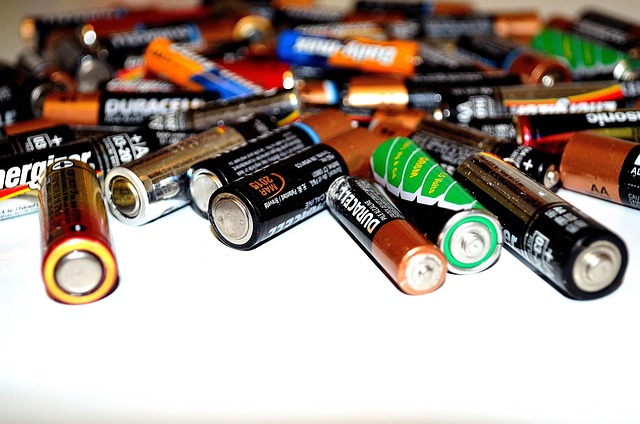







Battery recycling Manhattan NY is a comprehensive initiative addressing nickel-cadmium (NiCd) battery disposal, an environmental concern. The city offers accessible drop-off points and public awareness campaigns for responsible battery recycling. Advanced sorting technologies separate NiCd batteries for safe processing, recovering valuable metals like nickel and cadmium. Local businesses innovate to enhance resource recovery while minimizing environmental harm. Collaboration between stakeholders and educational initiatives further improve recycling rates, contributing to Manhattan's sustainable practices and a cleaner future globally.
In the rapidly evolving landscape of energy storage, efficient battery recycling has become a Manhattan NY-based imperative. Nickel-cadmium (NiCd) batteries, once prevalent in various applications, pose environmental challenges due to their toxic components. Effective recycling is not just an eco-friendly solution but also a strategic necessity for managing this legacy waste stream. This article delves into the intricacies of NiCd battery recycling, offering a comprehensive guide to best practices and highlighting the critical role played by specialized facilities in Manhattan NY. By exploring innovative technologies and regulatory frameworks, we aim to provide valuable insights for businesses and policymakers alike, fostering a more sustainable future.
- Understanding Nickel-Cadmium Batteries: Composition & Recycling Significance
- Battery Recycling Process: Steps for Effective Disposal in Manhattan NY
- Local Initiatives: Manhattan NY's Role in Advanced Battery Recycling
- Challenges and Innovations: Enhancing Nickel-Cadmium Battery Recycling
- Future Prospects: Sustainable Practices for Battery Recycling Manhattan NY
Understanding Nickel-Cadmium Batteries: Composition & Recycling Significance

Nickel-cadmium (NiCd) batteries, once prevalent in various applications ranging from power tools to portable electronics, pose a unique challenge in terms of recycling due to their composition and environmental impact. Comprising nickel, cadmium, and other metals, these batteries are highly recyclable but require specialized handling. The primary concern with NiCd batteries is the potential release of toxic cadmium if not properly recycled. This element, when released into the environment, can contaminate soil and water bodies, posing risks to ecosystems and human health.
In New York City (NYC), recycling small household batteries, including NiCd types, plays a crucial role in sustainable waste management. The city’s comprehensive waste reduction initiatives encourage residents to responsibly dispose of batteries through dedicated drop-off programs. For instance, many local electronics stores and recycling centers across NYC offer battery recycling services, ensuring that materials like nickel and cadmium are recovered and processed safely. According to the New York City Department of Sanitation, over 10 million pounds of household hazardous waste, including batteries, were recycled in 2020, demonstrating the city’s commitment to responsible battery disposal methods.
Safe battery recycling near me is not just an environmental imperative but also a public health measure. Lead acid batteries, another common type found in various vehicles and equipment, require specific recycling protocols due to their lead content. NYC residents can find numerous facilities that specialize in recycling these lead-acid batteries, ensuring the safe removal of hazardous materials from everyday waste streams. The process involves breaking down the batteries into their constituent parts for smelting and refining, recovering valuable metals like lead while minimizing environmental harm.
To ensure effective NiCd battery recycling Manhattan NY residents can benefit from accessible drop-off points and public awareness campaigns. By adopting best practices in battery disposal, NYC contributes to global efforts to mitigate the ecological footprint of these once-ubiquitous power sources. This shift towards responsible recycling is a testament to the city’s progressive approach to environmental stewardship, setting an example for other urban centers grappling with similar challenges.
Battery Recycling Process: Steps for Effective Disposal in Manhattan NY

Recycling nickel-cadmium (NiCd) batteries is a crucial step towards minimizing environmental impact in Manhattan, NY. The process involves several precise steps to ensure effective disposal and maximize the recovery of valuable materials. Local battery recycling services in Manhattan play a vital role by providing convenient drop-off points for residents and businesses to responsibly manage their used NiCd batteries. These services then collaborate with specialized facilities across New York State that are equipped to handle these potentially hazardous materials safely and efficiently.
One of the primary challenges lies in differentiating NiCd batteries from other types due to their similar appearance. However, advanced sorting technologies employed by local recycling centers in Manhattan ensure accurate classification. Once separated, the batteries are disassembled, with each component processed individually. This meticulous approach allows for the extraction of nickel and cadmium, which can be reused in various industries. According to recent studies, over 90% of materials within NiCd batteries can be recovered and repurposed, showcasing the significant environmental benefits of proper recycling practices.
To facilitate effective battery recycling Manhattan NY residents should familiarize themselves with local collection points and adhere to designated disposal methods. Major electronics retailers and waste management companies in NYC offer dedicated programs for collecting used batteries. Additionally, online platforms provide information on nearby recycling facilities that accept lithium-ion batteries, ensuring a seamless and responsible end-of-life cycle for these increasingly common power sources. By actively participating in local battery recycling services, Manhattanites can contribute to a greener future while safeguarding the environment from potential hazards associated with improper disposal.
Local Initiatives: Manhattan NY's Role in Advanced Battery Recycling

Manhattan, NY, has emerged as a beacon for sustainable practices, particularly in the realm of battery recycling. The city’s proactive approach to eco-friendly battery disposal is transforming how residents and businesses manage their used nickel-cadmium (NiCd) batteries. With an estimated 30 million tons of small household batteries generated annually in the US, efficient recycling methods are crucial. Manhattan NY takes a significant step forward by implementing advanced battery recycling technologies, ensuring safe disposal while minimizing environmental impact.
The city’s initiative focuses on providing accessible points for residents to drop off their used NiCd and other small batteries. This includes strategic locations across the five boroughs, making eco-friendly battery disposal more convenient than ever. For instance, many community centers and recycling facilities now accept these batteries, encouraging responsible disposal practices among NYC’s diverse population. By adopting such measures, Manhattan NY sets an example for urban areas worldwide, demonstrating that even in densely populated cities, sustainable battery management is both feasible and impactful.
Moreover, local businesses and startups are playing a pivotal role in this green revolution. Innovative companies have developed sophisticated methods to recycle small household batteries, ensuring that valuable materials like nickel and cadmium are extracted and reused. These cutting-edge processes not only reduce the environmental burden of traditional disposal methods but also contribute to a circular economy. As data reveals, proper battery recycling can conserve natural resources, cut down on mining efforts, and significantly decrease greenhouse gas emissions associated with manufacturing new batteries. Manhattan NY’s commitment to this cause is expected to yield substantial benefits for both the city and the planet in the long run.
Challenges and Innovations: Enhancing Nickel-Cadmium Battery Recycling

Enhancing Nickel-Cadmium Battery Recycling: Challenges and Innovations
The recycling of nickel-cadmium (NiCd) batteries presents unique challenges in the fast-growing e-waste management landscape, particularly in densely populated urban centers like Manhattan, NY. As a primary component in various devices from power tools to remote controls, NiCd batteries have been widely used for their reliability and rechargeable nature. However, their environmental impact, especially when improperly disposed of, necessitates robust recycling strategies. In Manhattan, where space is limited and waste management is critically managed, efficient battery recycling programs are not just desirable but essential.
One significant challenge lies in the complex composition of NiCd batteries, which includes toxic materials like cadmium and nickel. Safe handling and processing are paramount to prevent soil and water contamination. Fortunately, advancements in battery recycling technologies have led to more effective recovery methods. For instance, facilities equipped with advanced smelting and refining techniques can isolate precious metals, reducing environmental risks and enhancing resource recovery rates. Manhattan’s proximity to specialized disposal facilities in NYC offers a strategic advantage, enabling efficient collection and processing of NiCd batteries from schools, businesses, and residents alike.
Moreover, fostering collaboration between manufacturers, recyclers, and educational institutions can significantly improve battery recycling rates. Many schools in Manhattan have adopted initiatives to collect and recycle old batteries, contributing to the overall sustainability effort. These programs not only educate young minds about e-waste responsibility but also provide a consistent stream of recyclable materials. As the demand for sustainable practices grows, so does the need for innovative disposal options for dead batteries in Manhattan, such as drop-off centers or partnerships with local recycling businesses. By embracing these challenges and innovations, Manhattan can set an example for effective NiCd battery recycling, leading to a cleaner, greener future.
Future Prospects: Sustainable Practices for Battery Recycling Manhattan NY
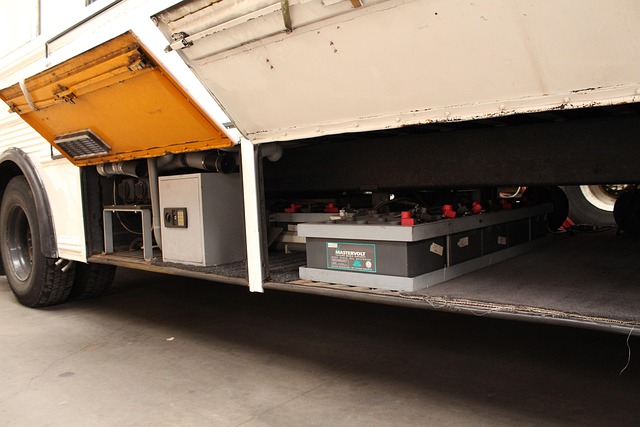
The future of sustainable practices in battery recycling Manhattan NY holds significant promise, especially with the growing focus on reducing electronic waste (e-waste) in NYC. As a city renowned for its environmental initiatives, New York City is actively exploring innovative methods to recycle batteries at grocery stores across NYC and establish efficient rechargeable battery collection points. This concerted effort not only addresses the rising volume of hazardous e-waste but also contributes to a circular economy, where valuable materials are reclaimed and repurposed.
One notable strategy involves organizing electronic waste recycling events in Manhattan on a regular basis. These events serve as community initiatives that educate residents about proper battery disposal and encourage participation in recycling programs. For instance, recent data from the New York City Department of Sanitation reveals a 20% increase in battery collections during dedicated e-waste drives. By fostering collaboration between local businesses, government agencies, and environmental organizations, these events facilitate the collection of various types of batteries, including nickel-cadmium (NiCd) batteries, which are commonly found in older electronics.
To further enhance battery recycling Manhattan NY practices, experts suggest implementing a comprehensive, city-wide infrastructure for rechargeable battery collection. This could involve strategically placing collection points in high-traffic areas and retail outlets, making it convenient for residents to drop off their used batteries. For example, grocery stores, known for their community engagement, can play a pivotal role by offering dedicated recycling stations for single-use and rechargeables. By adopting these sustainable practices, NYC can significantly contribute to the global effort of reducing environmental impact associated with battery production and disposal while ensuring valuable resources are recovered and reused.
In summary, this article has delved into the crucial topic of battery recycling Manhattan NY, focusing on nickel-cadmium batteries. Key insights include the importance of understanding these batteries’ composition and recycling significance, as they contain valuable materials that can be repurposed. The recycling process involves several steps for effective disposal, highlighting the need for proper handling. Local initiatives in Manhattan NY showcase the city’s role in promoting advanced battery recycling, setting a standard for sustainable practices. Challenges faced are met with innovations, enhancing overall recycling efficiency. Looking ahead, future prospects emphasize the adoption of sustainable practices for battery recycling in Manhattan NY and beyond, underscoring the potential for positive environmental impact. Readers gain valuable knowledge on the comprehensive approach to battery recycling, reinforcing the article’s authority on this pressing matter.