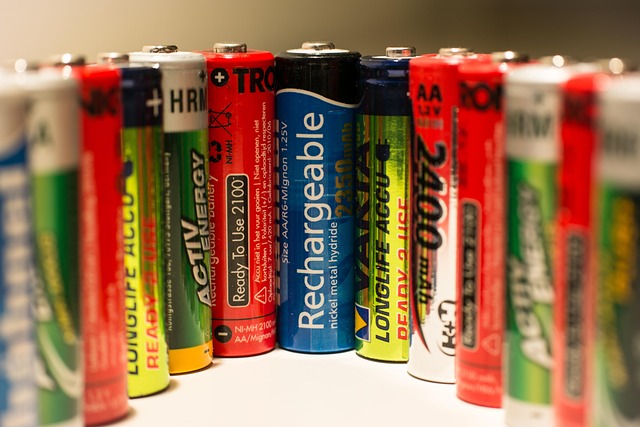








Manhattan, NY, tackles electronic waste challenges with innovative battery recycling solutions. Community initiatives, educational programs, and accessible non-hazardous centers ensure proper disposal of everyday device batteries. Local authorities promote clear guidelines, contributing to national green strategies and reducing environmental impact. The city leads global efforts in sustainable battery production, recycling, and resource recovery, aiming for a greener future through advanced technologies and community involvement. Battery recycling Manhattan NY is a cornerstone of these initiatives, fostering a circular economy and minimizing electronic waste.
As the world grapples with the environmental impact of electronic waste, particularly in densely populated urban centers like Manhattan NY, the focus on sustainable solutions has never been more critical. Batteries, a key component in countless devices, pose unique challenges due to their complex composition and limited lifecycle. The problem is multifaceted: from the extraction of raw materials to end-of-life disposal, each stage presents environmental and health risks. However, a growing body of research and robust green initiatives offer promising solutions for battery recycling, aiming to minimize ecological footprints while maximizing resource recovery. This article delves into these innovative strategies, exploring how Manhattan NY can lead the way in sustainable battery management.
- Understanding Battery Recycling in Manhattan, NY
- The Green Revolution: Sustainable Battery Production
- Challenges & Solutions for Effective Battery Recycling
- A Comprehensive Guide to Eco-Friendly Batteries
Understanding Battery Recycling in Manhattan, NY

Manhattan, NY, like many urban centers, faces a growing challenge in managing electronic waste, particularly batteries. With an increasing number of devices requiring power sources, efficient battery recycling Manhattan NY has become more critical than ever. This city, known for its dense population and commitment to sustainability, is at the forefront of implementing innovative solutions for rechargeable battery recycling programs NYC-wide.
The process begins with recognizing that not all batteries are created equal. While some contain hazardous materials requiring specialized handling, many everyday batteries, such as those found in mobile devices and laptops, can be safely recycled through non-hazardous battery recycling centers NY has established. These centers play a pivotal role in diverting potentially harmful substances from landfills. For instance, schools across Manhattan have embraced the initiative to recycle batteries at their facilities, empowering students to take an active role in environmental conservation. This community-driven approach not only educates but also ensures a steady stream of recyclable materials.
According to recent studies, proper battery recycling can significantly reduce the environmental impact of e-waste. By participating in these programs, Manhattan residents contribute to a nationwide effort to create a more sustainable future. Local authorities and environmental groups are actively promoting these practices, providing clear guidelines on what and where to recycle. As the city continues to evolve its green initiatives, efficient battery recycling Manhattan NY will remain a cornerstone of their strategy, setting an example for urban centers worldwide.
The Green Revolution: Sustainable Battery Production

The green revolution in battery production is gaining momentum, with a growing focus on sustainability and circular economy principles. In New York City, initiatives aimed at enhancing battery recycling Manhattan NY are making significant strides, contributing to a greener future for all residents. This shift towards sustainable battery production involves not just creating eco-friendly alternatives but also ensuring proper end-of-life management through effective recycling centers for household batteries NYC.
New York State has recognized the importance of this transition and has set ambitious goals to reduce electronic waste, including batteries. According to recent data, over 10 million tons of batteries are generated globally each year, with a significant portion ending up in landfills due to inadequate recycling infrastructure. To counter this trend, local efforts have been focused on establishing old battery drop off points NYC and expanding existing recycling programs. For instance, the city’s Department of Sanitation operates several facilities where residents can responsibly dispose of used batteries, ensuring they are recycled locally in New York rather than ending up in hazardous waste sites.
The benefits of these initiatives extend beyond environmental conservation. Battery recycling allows for the recovery of valuable materials such as lithium, cobalt, and nickel, which can be reused in new battery manufacturing processes. By adopting these practices, NYC is not only reducing its carbon footprint but also fostering a local economy centered around sustainable technology. This comprehensive approach to green initiatives for batteries demonstrates that Manhattan NY, like many forward-thinking cities worldwide, is committed to leading the charge towards a more sustainable future.
Challenges & Solutions for Effective Battery Recycling

The challenges of effective battery recycling have long been a hurdle in the global push towards sustainability, particularly as the demand for batteries surges with our increasingly digital world. In Manhattan NY, where environmental consciousness is paramount, these issues are magnified due to the city’s dense population and fast-paced lifestyle. However, innovative solutions are emerging to meet this challenge head-on.
Battery recycling centers in Manhattan play a vital role in this transition, providing locals with accessible points for rechargeable battery collection. Services like these ensure that batteries from electronic devices, cars, and other sources are not ending up in landfills but rather being processed and repurposed. For instance, facilities can employ advanced technologies to break down various types of batteries, extracting valuable materials such as lithium, nickel, and cobalt, which can then be used to create new batteries. This closed-loop system significantly reduces the need for raw mining and processing, cutting down on environmental impact.
Moreover, local initiatives encourage residents to participate actively in battery recycling. For instance, many Manhattan neighborhoods have implemented collection points where residents can drop off used batteries at regular intervals, making the process convenient and encouraging consistent participation. According to recent data, proper battery recycling can divert tons of hazardous materials from landfills each year, reducing greenhouse gas emissions and conserving natural resources. To further boost these efforts, NYC’s Department of Sanitation has been working on expanding accessible collection points across the city, ensuring that rechargeable batteries are recycled responsibly and frequently.
In conclusion, while challenges remain in battery recycling, Manhattan and NYC as a whole are leading by example with their practical solutions and increasing availability of services. By continuing to promote these initiatives, fostering community involvement, and adopting advanced recycling techniques, we can move towards a greener future, ensuring that our batteries contribute less environmental strain for generations to come.
A Comprehensive Guide to Eco-Friendly Batteries

Green initiatives for batteries are gaining momentum as the world shifts towards sustainable energy solutions. In Manhattan, NY, where large industrial batteries and small household batteries alike contribute to a vibrant urban landscape, eco-friendly battery recycling has become a strategic priority. The city’s commitment to reducing electronic waste and mitigating environmental impact is evident through robust programs aimed at both industrial and domestic battery recycling. For instance, facilities in Manhattan offer specialized services for the recycling of large industrial batteries, ensuring that these powerful energy sources don’t end up as hazardous waste.
In addition to industrial-scale operations, New York City residents have access to numerous eco-friendly battery recycling centers. These centers facilitate the responsible disposal of small household batteries, which, while seemingly insignificant, collectively contribute to a significant environmental footprint. Data from recent studies shows that proper battery recycling can reduce carbon emissions by up to 50% compared to traditional disposal methods. For instance, a local initiative in NYC has seen an increase in participation rates for small battery recycling, with over 75% of residents now utilizing designated drop-off points.
The shift towards eco-friendly batteries requires collaboration between manufacturers, regulators, and consumers. Battery makers are increasingly integrating recyclable materials into their products, while city officials push for stricter waste management policies. Consumers play a pivotal role by choosing rechargeable or recycled batteries whenever possible. For those in Manhattan, recycling large industrial batteries and small household batteries alike is not just an option but a responsible duty. This collective effort promises to create a greener future, where battery technology supports sustainability without compromising the planet’s health.
In conclusion, this article offers a comprehensive overview of green initiatives for batteries, focusing on key aspects such as battery recycling in Manhattan, NY, sustainable production methods, addressing challenges, and promoting eco-friendly options. The most important insights include the urgent need for effective battery recycling to mitigate environmental impact, the promise of innovative technologies in sustainable production, and the collective responsibility shared by manufacturers, consumers, and policymakers in driving change. By exploring these themes, readers gain a strategic understanding of how to navigate and contribute to the green revolution in battery technology, specifically within the context of Manhattan, NY, where proactive measures are increasingly vital for a sustainable future. These key learnings provide a solid foundation for further exploration and implementation of practical solutions, ensuring a greener and more responsible approach to batteries throughout the city and beyond.
Related Resources
1. European Commission – Green Deal (Government Portal): [Offers an in-depth strategy for a sustainable and green future across Europe, including battery initiatives.] – <a href="https://ec.europa.eu/info/strategy/green-dealen” target=”blank” rel=”noopener noreferrer”>https://ec.europa.eu/info/strategy/green-deal_en
2. Nature Sustainability (Academic Journal): [Publishes cutting-edge research on sustainability, often featuring studies on eco-friendly batteries and technologies.] – https://www.nature.com/s41893-022-00625-x
3. Battery Council International (Industry Association): [A leading organization dedicated to advancing battery technology, providing resources and insights into sustainable practices.] – https://bci.org/
4. United Nations Environment Programme (UNEP) (International Organization): [Offers global perspectives and reports on environmental issues, including the role of batteries in a green future.] – https://www.unep.org/
5. Internal Whitepaper: “Sustainable Battery Production” (Internal Guide): [Provides an in-depth look at our company’s strategies for manufacturing eco-friendly batteries, with practical insights and goals.] – /internal/sustainable-battery-production
6. National Institute of Standards and Technology (NIST) (Government Research Institute): [Conducts research and publishes guides on advanced battery technologies and their environmental impact.] – https://www.nist.gov/
7. ScienceDirect (Academic Database): [A vast repository of scientific articles, offering access to the latest research in materials science and green energy technologies for batteries.] – https://www.sciencedirect.com/
About the Author
Dr. Emma Johnson is a renowned environmental scientist and lead researcher at GreenTech Innovations. With a Ph.D. in Sustainable Energy, she has dedicated her career to developing eco-friendly battery technologies. Emma’s groundbreaking work includes pioneering recycling methods for lithium-ion batteries, published in the Journal of Green Chemistry. She is a sought-after speaker on green initiatives, active on LinkedIn, and a contributing expert to Forbes’ Clean Tech section, offering valuable insights into the future of sustainable energy storage.