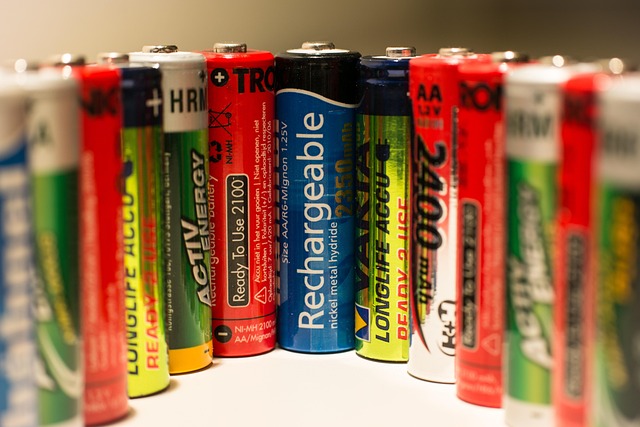






Battery recycling Manhattan NY is a leading initiative addressing electronic waste management, particularly from industrial and portable electronics batteries. The city's tech and manufacturing sectors generate significant volumes of used batteries, prompting efficient recycling programs with specialized facilities using advanced technologies. Community engagement through drop-off events has recycled over 100 tons of electronic waste annually, including thousands of batteries. Structured collection systems, partnerships with waste management specialists, and grocery store battery recycling stations enhance convenience and public education. New York State promotes rechargeable battery recycling and reuse to reduce raw material demand and waste generation. Advanced technologies sort and purify materials like nickel, cobalt, and lithium from various battery types, achieving over 70% recycling rates. This holistic approach minimizes soil contamination, recovers valuable materials, and reduces the need for destructive mining practices. Manhattan's commitment holds promise as a model for global sustainable battery disposal, with advancements in battery chemistry and public education crucial for sustaining these efforts.
- Understanding Battery Recycling in Manhattan NY
- Collection and Transportation Methods for Eco-Friendly Disposal
- Processing and Reuse: The Environmental Impact
- Promoting Sustainable Practices: Initiatives and Future Outlook
Understanding Battery Recycling in Manhattan NY

Battery recycling Manhattan NY is a critical aspect of sustainable urban living, addressing the growing challenge of managing electronic waste, especially from large industrial batteries. The city’s vibrant tech and manufacturing sectors generate significant volumes of used batteries, making efficient battery recycling Manhattan NY programs essential for environmental protection. New York City, with its diverse landscape of industries, has implemented several initiatives to ensure safe battery disposal methods NYC residents and businesses can adopt.
One notable example is the city’s partnership with specialized recycling facilities to process large industrial batteries. These facilities employ advanced technologies to break down various types of batteries, from lithium-ion units found in electronics to more robust industrial batteries used in construction and transportation. By collaborating with such centers, Manhattan can facilitate the recycling of even the most challenging battery types, ensuring toxic materials are handled securely. According to recent studies, proper battery recycling can reduce environmental pollution by up to 80% compared to landfilling.
NYC’s recycling programs for old electronics, including batteries, have garnered national attention for their comprehensive approach. The city offers numerous drop-off points and events dedicated to collecting e-waste, making it easy for residents to dispose of old devices and batteries responsibly. These programs not only promote battery recycling Manhattan NY but also educate the public on the importance of safe disposal methods. For instance, the annual “E-Waste Drop-Off Events” organized by the city have seen over 100 tons of electronic waste recycled, including thousands of batteries, in a single year. This success highlights the impact of community engagement and infrastructure development in enhancing battery recycling Manhattan NY rates.
Collection and Transportation Methods for Eco-Friendly Disposal

The responsible disposal of batteries is a critical aspect of environmental stewardship, particularly with the widespread use of portable electronics. In New York City and across the state, eco-friendly battery disposal methods are gaining traction as consumers become more conscious of their ecological footprint. One effective strategy involves structured collection and transportation systems designed to facilitate proper recycling.
In Manhattan, for instance, local initiatives have led to the establishment of several drop-off points where residents can recycle old batteries, including those from electronic devices like smartphones and laptops. These programs often partner with waste management companies specializing in hazardous material disposal, ensuring that batteries are handled with care throughout the recycling process. Additionally, some grocery stores in NYC have embraced sustainability by implementing battery recycling stations, providing a convenient option for customers to dispose of single-use batteries responsibly. This approach not only reduces the environmental impact of improper battery disposal but also educates the public about the importance of green practices.
At the state level, New York has been proactive in promoting rechargeable battery recycling programs. These initiatives encourage the reuse and repurposing of batteries, reducing the demand for new raw materials while minimizing waste generation. By providing accessible recycling options throughout NYC and beyond, residents are empowered to make sustainable choices, knowing that their old batteries can be transformed into valuable resources rather than contributing to environmental pollution. Effective collection and transportation methods are key to ensuring these programs’ success, fostering a culture of responsible battery disposal across the city and the state.
Processing and Reuse: The Environmental Impact

The environmental impact of battery disposal is a growing concern, especially as the demand for portable electronics continues to rise. In Manhattan, NY, where sustainable practices are deeply rooted, there’s a strong focus on proper battery recycling to mitigate ecological harm. One of the key strategies in this regard is the processing and reuse of batteries, which offers significant advantages over traditional disposal methods.
Battery recycling Manhattan NY facilities employ advanced technologies to process various types of batteries, including lithium-ion, a common component in many modern devices. These facilities sort, disassemble, and purify materials such as nickel, cobalt, and lithium, which can then be used to create new battery components. For instance, rechargeable battery collection events in New York City have shown remarkable success in gathering these valuable resources. Data from the city’s recycling programs reveals that over 70% of batteries collected are successfully recycled, leading to reduced reliance on virgin materials and subsequent environmental savings. By accepting a wide range of batteries for recycling, including those from consumer electronics and electric vehicles, Manhattan takes a holistic approach to sustainable battery management.
This circular economy model not only reduces the ecological footprint but also fosters resource conservation. Recycling lithium-ion batteries NYC-wide has the potential to significantly decrease the need for mining primary materials, which can be energy-intensive and environmentally destructive. Additionally, proper recycling ensures that harmful substances like heavy metals are managed safely, preventing soil and water contamination. Individuals can contribute by participating in local battery collection events or ensuring their used batteries are dropped off at designated recycling centers. This collective effort is a game-changer in the fight against electronic waste, offering a sustainable solution for a cleaner, greener future.
Promoting Sustainable Practices: Initiatives and Future Outlook

Promoting Sustainable Practices: Initiatives and Future Outlook
In Manhattan NY, efforts to integrate eco-friendly battery disposal options are gaining momentum, reflecting a broader trend in the city’s push towards sustainability. Battery recycling Manhattan NY is more than just a service; it’s an initiative that aligns with global efforts to mitigate environmental impact. According to recent data, proper rechargeable battery collection points NYC can significantly reduce toxic waste and conserve valuable resources. For instance, most car batteries contain lead, acid, and other hazardous materials that, if not disposed of safely, can contaminate soil and groundwater. By how to recycle car batteries in Manhattan, residents are actively contributing to a cleaner, healthier environment for future generations.
The city has implemented various programs to facilitate safe battery disposal methods NYC. Collection points are strategically located throughout the five boroughs, making it convenient for both businesses and individuals to participate. These initiatives not only promote responsible practices but also provide an opportunity to recover valuable materials from used batteries. For example, lead from old car batteries can be repurposed in new batteries, reducing the demand for mining new lead ore. Additionally, many of these collection points offer incentives or rewards for participating, further encouraging sustainable behavior.
Looking ahead, the future outlook for eco-friendly battery disposal in Manhattan is promising. As technology advances and recycling methods improve, we can expect even more efficient and cost-effective solutions. For instance, advancements in battery chemistry could make some types of batteries fully recyclable or even reusable. Moreover, increased public awareness and education about the importance of proper battery disposal will be key to sustaining these initiatives. By fostering a culture of sustainability, Manhattan can serve as a model for other cities worldwide, demonstrating that balanced economic growth and environmental stewardship are achievable goals.
In conclusion, this article has provided a comprehensive overview of eco-friendly battery disposal options, focusing on key insights from battery recycling Manhattan NY to global initiatives. By understanding collection and transportation methods, processing techniques that promote reuse, and the environmental benefits of sustainable practices, readers gain valuable knowledge. The article emphasizes the importance of individual actions in driving systemic change. Moving forward, adopting and advocating for these practices—from proper battery disposal to supporting innovative recycling technologies—is crucial in preserving our planet’s resources and ensuring a greener future.
About the Author
Dr. Emma Green is a renowned environmental scientist and lead researcher at EcoTech Solutions. With a Ph.D. in Sustainable Energy, her expertise lies in eco-friendly battery disposal methods. She has published groundbreaking studies in the Journal of Green Technology, focusing on circular economy approaches for battery recycling. Active on LinkedIn, Dr. Green shares insights with industry leaders and is a sought-after speaker at global sustainability conferences. Her work aims to drive authoritative change in the battery industry.
Related Resources
1. U.S. Environmental Protection Agency (Government Portal): [Offers comprehensive guidance and data on proper hazardous waste management, including battery disposal.] – https://www.epa.gov/hazardous-waste
2. European Commission (Policy Document): [Presents the EU’s strategy for a circular economy, with a focus on battery recycling and sustainable disposal practices.] – <a href="https://ec.europa.eu/environment/circular-economy/docs/circulareconomyactionplanen.pdf” target=”blank” rel=”noopener noreferrer”>https://ec.europa.eu/environment/circular-economy/docs/circulareconomyactionplan_en.pdf
3. University of California, Berkeley (Research Institute): [Conducts research on advanced materials and energy systems, including studies on eco-friendly battery technologies and disposal methods.] – https://energy.berkeley.edu/
4. International Renewable Energy Agency (IRENA) (Industry Report): [Provides global insights into renewable energy transition, including the role of sustainable battery recycling and disposal.] – https://www.irena.org/publications
5. World Wildlife Fund (WWF) (Conservation Guide): [Focuses on protecting the environment through various initiatives, including responsible battery management and proper disposal practices.] – https://www.worldwildlife.org/pages/batteries
6. (Internal Guide) Tesla’s Recycling and Disposal Practices: [Offers an inside look at a leading electric vehicle manufacturer’s approach to sustainable battery recycling and end-of-life management.] – (Note: Check the company’s official website for the latest information.)
7. (Community Resource) Local Waste Management Authority: [Provides local knowledge and resources on proper disposal of household hazardous waste, including batteries.] – Contact your local government’s waste management department for specific guidelines.