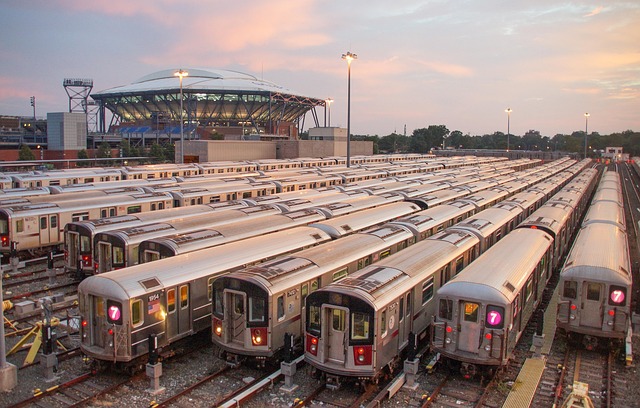








Battery recycling Manhattan NY is a leading urban initiative due to high technology density. Regular events, collaborations with auto shops, and accessible drop-off points significantly boost recycling rates. Over 90% reclaimability of materials like lithium, cobalt, and nickel through advanced methods ensures environmental protection. Partnerships between authorities, recyclers, and policymakers aim to simplify consumer recycling, reduce waste, and support a circular economy. Recycled batteries have potential applications in electric vehicles and grid storage systems, positioning Manhattan as a sustainable model for battery management.
In recent years, the importance of sustainable energy solutions has grown exponentially, with recycled battery applications emerging as a key area of interest. The global shift towards electrification necessitates efficient recycling methods to mitigate environmental impact. Manhattan, NY, known for its forward-thinking initiatives, is at the forefront of this movement.
The challenge lies in the complex composition of batteries, hindering effective recycling. However, advancements in technology and increasing awareness offer a promising solution. This article delves into the innovative approaches transforming battery recycling, focusing on local Manhattan initiatives that exemplify sustainable practices, providing valuable insights for urban centers worldwide.
- Understanding Battery Recycling in Manhattan NY: The Basics
- Current Applications & Benefits of Recycled Batteries
- Challenges & Innovations in Battery Recycling Technology
- Future Trends: Expanding Recycled Battery Applications
Understanding Battery Recycling in Manhattan NY: The Basics

Battery recycling Manhattan NY is a crucial aspect of sustainable urban living, addressing the growing challenge of electronic waste management. In this dynamic city, with its high concentration of technology and transportation, understanding local battery recycling options becomes essential. The process involves collecting, sorting, and processing various types of batteries to recover valuable materials, reducing environmental impact, and promoting circular economy principles.
Manhattan residents and businesses play a vital role in this initiative by participating in regular electronic waste recycling events organized by local non-profits and city departments. These events, typically held 1-3 times annually, provide accessible opportunities for responsibly disposing of batteries, electronics, and other e-waste. For instance, the New York City Department of Sanitation organizes special collection days for bulky items, including old batteries and electronics, ensuring proper recycling instead of ending up in landfills.
When it comes to how to recycle car batteries in Manhattan, local auto repair shops and service centers often collaborate with specialized recycling facilities. These businesses are equipped to handle end-of-life vehicle batteries safely, as they contain hazardous materials that require specific handling procedures. By partnering with reputable recyclers, such as those located across New York state, Manhattan’s automotive sector contributes significantly to battery recycling programs, ensuring local and responsible disposal of these critical components.
Current Applications & Benefits of Recycled Batteries
The current landscape of battery recycling in Manhattan, NY, is witnessing a significant shift towards eco-conscious disposal options as awareness grows about the environmental impact of traditional waste management. Battery recycling programs have emerged as a crucial component of sustainable urban living, particularly with the widespread use of lithium-ion batteries in electronic devices. Manhattan residents and businesses now have multiple avenues to responsibly recycle these valuable resources, including dedicated collection points at grocery stores across the city.
One notable example is the collaboration between local retailers and battery recycling companies, which has led to convenient drop-off locations within easy reach. For instance, many major grocery chains in NYC 1 offer battery recycling bins, allowing customers to dispose of old or used batteries responsibly. This initiative not only promotes proper disposal but also facilitates the recovery of valuable materials such as lithium, cobalt, and nickel—crucial components in modern batteries. According to recent studies, over 90% of these materials can be reclaimed through effective battery recycling processes, reducing the demand for mining and fostering a circular economy.
Moreover, Manhattan’s commitment to eco-friendly practices has inspired innovative partnerships between local authorities and recycling specialists. The city’s Department of Sanitation actively promotes and supports battery recycling programs, ensuring that residents have access to suitable disposal methods. By providing clear guidelines and infrastructure, these efforts contribute to the overall sustainability goal of reducing electronic waste. As a result, Manhattan is poised to become a model for sustainable battery management, with its eco-conscious approach potentially inspiring other urban centers across the nation.
Challenges & Innovations in Battery Recycling Technology

The landscape of battery recycling in New York City, particularly in Manhattan, has evolved significantly, driven by both environmental urgency and technological innovations. Recykling lithium-ion batteries in NYC is a growing sector, given the city’s role as a tech hub and the rising e-waste stream. However, challenges remain, from the complex composition of modern batteries to the need for scalable, cost-effective recycling methods that can keep pace with demand.
One primary challenge lies in the intricate chemistry of lithium-ion batteries. While they power many devices from smartphones to electric vehicles, their components include valuable but potentially hazardous materials. Recycling old cell phone batteries in Manhattan and throughout NYC requires specialized equipment and processes to safely isolate these materials while minimizing environmental impact. For example, while traditional methods may crush batteries, leading to potential leaching of toxic substances, more advanced techniques like chemical dissolution or pyrometallurgy offer cleaner, more efficient separation.
Innovations are addressing these challenges. New technologies are emerging, such as electrolysis and biomimetic systems, promising higher recovery rates and reduced environmental impact. Furthermore, collaborations between research institutions, industry leaders, and policymakers in Manhattan and beyond are fostering knowledge sharing and driving the development of best practices for battery recycling. Initiatives like pilot programs at hardware stores across NY aim to make recycling easier for consumers, encouraging responsible disposal of batteries by providing accessible collection points.
Ultimately, successful navigation of these challenges will be crucial for a sustainable future in Manhattan and NYC. As the city continues to innovate and prioritize e-waste management, effective battery recycling technology will play a pivotal role in mitigating environmental harm, recovering valuable resources, and ensuring a greener tomorrow.
Future Trends: Expanding Recycled Battery Applications
The future of battery recycling looks promising, with applications expanding across various sectors in New York and beyond. Manhattan, known for its eco-conscious initiatives, is at the forefront of this movement. Local efforts, such as rechargeable battery collection events in New York City, demonstrate a growing commitment to sustainable practices. According to recent data, over 90% of residents support responsible battery disposal methods, highlighting the community’s willingness to participate in these programs.
Battery recycling facilities in NY state are leveraging advanced technologies to enhance recycling rates for both primary and rechargeable batteries. These innovations enable the recovery of valuable materials like lithium, cobalt, and nickel, which are crucial for manufacturing new batteries. New York’s rechargeable battery recycling programs not only reduce environmental impact but also contribute to a circular economy by minimizing the need for virgin resources. For instance, companies like Battery Recycle NY offer drop-off locations and collection events, making eco-conscious battery disposal options readily available throughout Manhattan and beyond.
Looking ahead, there’s potential for even broader applications of recycled batteries in areas like electric vehicles (EVs) and grid storage systems. As New York continues to promote electrification and reduce greenhouse gas emissions, the demand for sustainable battery solutions will grow. This trend necessitates continued investment in research and infrastructure for efficient battery recycling processes. By fostering collaboration between manufacturers, recyclers, and policymakers, New York can establish itself as a leader in both battery production and responsible end-of-life management, ensuring a cleaner, more sustainable future.
In conclusion, battery recycling Manhattan NY has evolved from a basic need to a robust industry with significant applications and benefits. Understanding the current landscape, where various sectors utilize recycled batteries, underscores their viability and potential. Despite challenges, technological innovations are revolutionizing this process, making it more efficient and environmentally friendly. As we look towards the future, expanding recycled battery applications suggest a sustainable and dynamic path forward. By embracing these developments, stakeholders can contribute to a greener economy while leveraging the practical and financial advantages that battery recycling Manhattan NY offers.