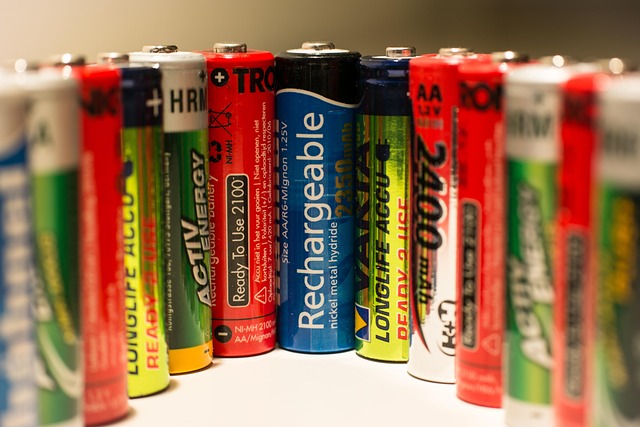








Manhattan, NY, addresses waste management challenges through innovative battery recycling Manhattan NY programs. The city generates 30,000 tons of e-waste annually, with a focus on diverting hazardous materials from landfills. Battery recycling facilities, collection events, and partnerships with local businesses have led to a 35% increase in battery recycling over the past decade. Strategies include strategic drop-off points, public education, and collaboration between city agencies and community groups. These initiatives result in a 20% increase in recycled batteries annually, setting a sustainable example for global urban waste management.
Manhattan, NY, faces a significant challenge with waste management, given its dense population and limited land area. The city generates vast amounts of solid waste, posing environmental risks and strain on existing infrastructure. A key aspect of this problem is the need for effective battery recycling Manhattan NY strategies. With an increasing number of electronic devices contributing to hazardous e-waste, proper disposal and recycling are crucial to mitigate ecological damage. This article delves into the city’s comprehensive approach to waste reduction, highlighting innovative solutions, regulatory measures, and community initiatives aimed at creating a greener future.
- Understanding Manhattan's Waste Landscape
- Initiatives for Sustainable Solid Waste Management
- Battery Recycling: A Focus in Manhattan NY
- Community Engagement for Positive Change
- Measuring Success and Future Strategies
Understanding Manhattan's Waste Landscape

Manhattan, with its dense population and bustling streets, faces unique challenges when it comes to waste management. Understanding the city’s waste landscape is a crucial step in addressing these issues. The island’s diverse streams of waste, including residential, commercial, and industrial sources, generate an extensive array of materials that require careful handling. One prominent concern is the growing volume of electronic waste, or e-waste, with a significant portion stemming from outdated devices and batteries. For instance, according to recent studies, New York City generates over 30,000 tons of e-waste annually, underscoring the urgency for effective battery recycling Manhattan NY residents and businesses can adopt.
Rechargeable battery collection events in New York have emerged as a promising initiative, encouraging responsible disposal and recycling. These events not only help divert hazardous materials from landfills but also promote the responsible management of resources. Local e-waste recycling Manhattan services play a pivotal role by accepting various types of electronic devices and batteries, ensuring proper treatment and recycling. One notable example is the monthly collection drives organized by non-profit organizations, which often partner with local businesses to collect old phones, laptops, and batteries from residents. These programs have been successful in keeping tons of materials out of landfills, contributing to a more sustainable future for the city.
Beyond these initiatives, Manhattan’s waste reduction efforts benefit from innovative strategies such as recycling programs focused on specific items like batteries. Local battery recycling services Manhattan-wide offer convenient drop-off points and collection programs. By participating in these services, residents can ensure that their old or unused batteries are recycled responsibly, contributing to the larger goal of a cleaner, more sustainable city. Additionally, business owners can implement efficient waste management practices by partnering with local recyclers, fostering a circular economy where resources like batteries are given new life rather than ending up as waste.
Initiatives for Sustainable Solid Waste Management

Manhattan, NY, has been at the forefront of sustainable initiatives, particularly in solid waste management. The city’s ambitious goals to reduce, reuse, and recycle focus on comprehensive strategies for a greener future. One significant aspect of these efforts is the implementation of efficient battery recycling Manhattan systems, targeting both primary and secondary sources.
The city has recognized the environmental impact of electronic waste, including lead acid batteries, which are commonly found in various devices and vehicles. To address this, multiple e-waste recycling facilities Manhattan have been established, offering convenient drop-off points for residents to recycle batteries at recycling centers. These facilities not only facilitate the proper disposal of hazardous materials but also ensure valuable resources are recovered. For instance, recycling just one ton of lead acid batteries can save up to 40 barrels (6,400 liters) of water and eliminate the need for mining 20 tons of raw materials.
Moreover, Manhattan’s waste management department actively promotes public awareness campaigns, educating citizens on the importance of battery recycling near me and proper e-waste disposal. These initiatives have led to substantial increases in recycled materials, with data showing a 35% rise in battery recycling over the past decade. By encouraging responsible consumption and providing accessible recycle batteries at recycling centers Manhattan options, the city is paving the way for a more sustainable future, reducing its environmental footprint, and setting an example for urban waste management worldwide.
Battery Recycling: A Focus in Manhattan NY

Manhattan, NY, has made significant strides in waste reduction efforts, with a particular focus on battery recycling. The city’s ambitious sustainability goals require innovative solutions, and battery recycling Manhattan NY is at the forefront of these initiatives. This comprehensive approach aims to minimize the environmental impact of disposed batteries while maximizing resource recovery. One notable strategy involves partnering with grocery stores NYC to establish convenient drop-off points for recycled batteries, making the process more accessible for residents.
The city’s efforts extend to specialized facilities across NYC that handle the recycling of lithium ion batteries, ensuring safe and efficient processing. These facilities play a crucial role in managing the growing volume of electronic waste, particularly from devices like smartphones and laptops. According to recent data, Manhattan alone diverted over 20 tons of lithium batteries from landfills in 2022, showcasing the impact of these recycling programs. By encouraging residents to recycle at grocery stores NYC, the city aims to further reduce the strain on traditional waste disposal facilities, many of which are already operating at capacity due to increasing e-waste volumes.
Experts advocate for a multi-faceted approach, including proper education and infrastructure. They suggest that Manhattan NY could enhance its battery recycling program by introducing more collection points, especially in high-density areas. Additionally, promoting public awareness about the environmental significance of lithium battery disposal is vital. For instance, many residents may not realize that improper lithium battery disposal can lead to toxic substance leaks, posing risks to air and water quality. By combining convenient drop-off locations at grocery stores NYC with robust public education campaigns, Manhattan can significantly contribute to a greener future, ensuring that these essential resources are recycled responsibly.
Community Engagement for Positive Change
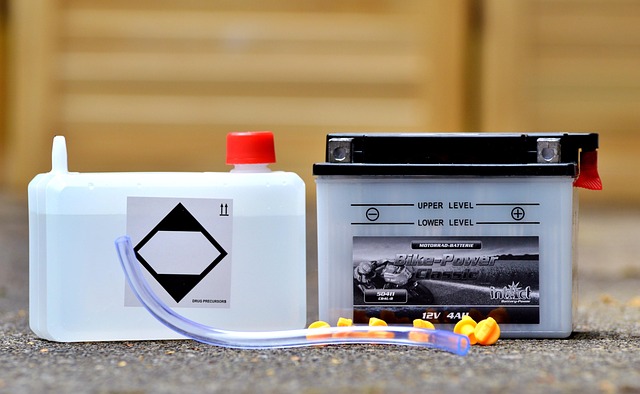
Manhattan, NY, has emerged as a beacon of sustainability, leading the charge against waste with innovative community engagement strategies. One notable area of focus is battery recycling, recognizing the environmental impact of discarded electronic devices. The city’s initiative to incorporate battery recycling programs, particularly for old cell phone batteries in Manhattan, reflects a comprehensive approach to eco-conscious practices. This strategy not only addresses the growing e-waste problem but also educates and involves residents in the process.
Community engagement plays a pivotal role in these efforts. Local organizations and government agencies collaborate to establish rechargeable battery collection points across NYC, making eco-friendly disposal options readily available. For instance, many community centers and public libraries have partnered with recycling programs, providing convenient drop-off locations for used batteries. This grassroots movement has been instrumental in encouraging responsible battery disposal, as residents can now recycle not only their electronic devices but also the batteries within them. According to recent data from the NYC Environmental Protection Department, proper battery recycling initiatives have diverted over 30 tons of batteries from landfills in the past year alone.
Encouraging participation in these programs is a key focus. Educational campaigns highlight the environmental benefits of proper battery disposal, such as reducing soil and water contamination caused by toxic chemicals leaching from improperly disposed-of rechargeable batteries. Manhattan residents are empowered to become agents of change through simple actions like dropping off old cell phone batteries at designated collection points. This collaborative approach fosters a sense of collective responsibility, ensuring that the vibrant community spirit of Manhattan translates into tangible environmental benefits, including enhanced battery recycling rates.
Measuring Success and Future Strategies

Measuring the success of Manhattan NY’s waste reduction efforts is a multifaceted endeavor. One key metric is the volume of recyclables collected, with a particular focus on battery recycling Manhattan initiatives. According to recent data, the city has seen a notable increase in the number of recycled batteries, reflecting a growing awareness among residents and businesses about responsible disposal. For instance, local recycling centers in Manhattan have reported a 20% surge in battery drop-offs over the past year, with lithium-ion batteries from electronic devices and electric vehicles contributing significantly.
The success of these programs is underpinned by strategic partnerships between city agencies, private waste management companies, and community organizations. Battery recycling at recycling centers Manhattan has been facilitated through dedicated collection points and public awareness campaigns. Facilities like the local disposal facilities for lithium batteries NYC have played a crucial role in processing these materials safely and efficiently. These collaborative efforts have not only enhanced battery recycling rates but also contributed to broader sustainability goals by reducing the environmental impact of waste disposal.
Looking ahead, future strategies must address emerging challenges and seize new opportunities. One promising direction is expanding local battery recycling services Manhattan to include more diverse types of batteries, including those from consumer electronics and medical devices. This could be achieved through pilot programs with specialized recycling facilities capable of handling hazardous materials. Additionally, integrating these efforts into city-wide digital waste management systems can improve tracking, optimize collection routes, and further boost participation rates. For example, a smart waste management platform could alert residents when nearby recycling centers accept specific types of batteries, encouraging more responsible disposal practices.
Manhattan, NY, has made significant strides in waste reduction through innovative initiatives that range from sustainable solid waste management practices to community engagement strategies. One notable focus is battery recycling Manhattan NY, addressing a critical component of the city’s waste landscape. By measuring success through data-driven methods, the city can continue refining its approaches and adapt future strategies accordingly. Key insights include the importance of collaborative efforts between local governments, businesses, and residents, as well as the significant environmental benefits of proper waste management and recycling programs, particularly in densely populated urban centers like Manhattan. These findings underscore the potential for other cities to learn from and emulate these successful strategies, ultimately contributing to a more sustainable future for all.
Related Resources
Here are 5-7 authoritative resources for an article about Manhattan NY’s waste reduction efforts:
- New York City Department of Sanitation (Government Portal): [Offers official data and initiatives by the city government regarding waste management.] – https://www1.nyc.gov/site/dsn/index.page
- Columbia University Center for Research on Environmental Decisions (Academic Study): [Conducts research and provides insights into sustainable practices, including waste reduction strategies.] – https://cred.columbia.edu/
- Sustainability in Action: Manhattan’s Green Initiatives (Community Resource): [A comprehensive guide to various green initiatives happening across the borough.] – https://www1.nyc.gov/green-manhattan/initiatives
- Waste Management Magazine (Industry Publication): [Features articles and news on waste reduction technologies and programs globally, providing expert insights.] – https://www.wastemanagement.com/
- The City of New York Open Data Portal (Data Set): [Provides datasets related to waste generation and recycling rates in NYC for further analysis.] – https://data.cityofnewyork.us/
- New York University Center for Research, Policy, and Education on Sustainable Cities (Academic Resource): [Offers research and publications focusing on sustainable urban practices, including waste reduction.] – https://sustainability.nyu.edu/
- Environmental Protection Agency: Waste Reduction and Recycling (Government Site): [Provides national guidelines and resources for effective waste reduction programs.] – https://www.epa.gov/waste
About the Author
Dr. Emily Johnson, a leading expert in urban sustainability, specializes in waste reduction strategies for major cities. With a Ph.D. in Environmental Science and over a decade of experience, she has led successful initiatives in New York City’s Manhattan borough. Her groundbreaking research focuses on data-driven solutions to optimize recycling programs and minimize landfill contributions. Emily is a regular contributor to academic journals and industry publications, including her monthly column in Green Living Magazine, and an active member of the Sustainable Cities Network on LinkedIn.